
Reviving History: A Guide to Lead-Safe Painting for Historic Home Restorations
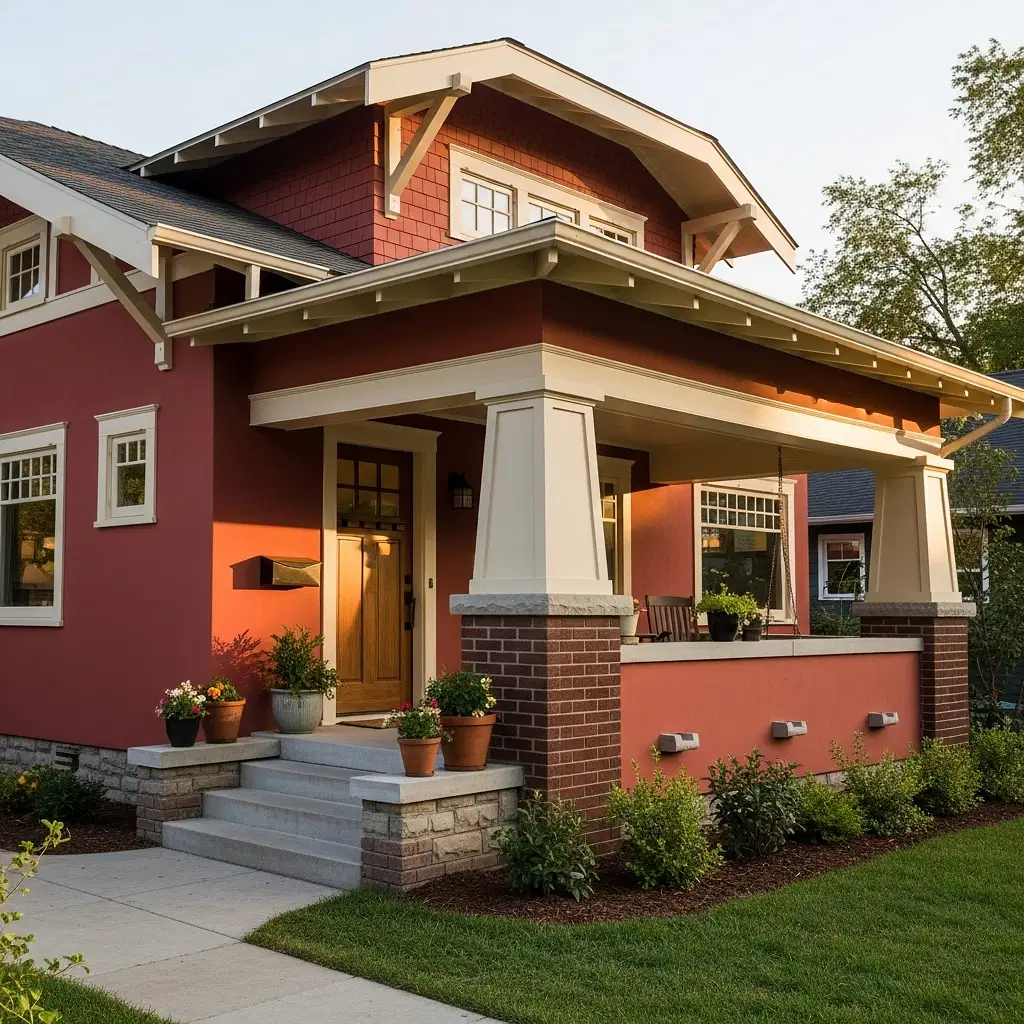
There is an undeniable charm to owning a piece of history. Strolling through neighborhoods with century-old trees, expansive front porches, and intricate architectural details is a reminder of the craftsmanship of a bygone era. For those of us living in the Atlanta area, especially in classic ITP neighborhoods, preserving these historic homes is a labor of love. From maintaining original hardwood floors to ensuring the exterior colors remain true to the period, every detail matters.
However, maintaining a historic property comes with its own unique set of challenges, particularly when it comes to applying a fresh coat of paint. If your home was built before 1978, there is a very high probability that its original layers contain lead-based paint. While this paint was prized decades ago for its durability and moisture resistance, we now understand the significant health risks associated with lead dust and deterioration. Knowing how to safely paint pre 1978 historic houses is not just a matter of aesthetics; it is a critical safety requirement for your family and your community.
At Down Home Painting and Restorations LLC, we understand the delicate balance of preserving architectural heritage while modernizing a home's safety and curb appeal. Navigating the stringent EPA Lead-Safe regulations requires specialized knowledge, and relying on uncertified contractors can result in both hefty fines and environmental hazards. In this guide, we will walk you through the essential practices of lead-safe restoration and why doing it by the book is the only way to protect your investment.
The Hidden Hazards of Historic Charm
For decades, lead was a standard additive in residential paint. It helped the paint dry faster, maintain a fresh appearance longer, and resist moisture. Unfortunately, as these older homes age, the layers of paint inevitably begin to chalk, crack, and peel. This natural degradation is where the danger lies. When lead paint deteriorates, it turns into microscopic dust that can easily be ingested or inhaled, posing severe health risks, particularly to young children and pets.
One of the most common issues homeowners face is peeling lead paint remediation and surface preparation. You might notice alligatoring—where the paint forms a pattern that looks like reptile scales—on your original wood siding or classic Tudor trim. The instinct for many weekend warriors or budget-focused handymen is to simply grab a power sander or a pressure washer and blast the old paint away. This is the absolute worst approach you can take. Dry sanding or aggressive scraping releases clouds of toxic lead dust into the air, contaminating the soil around your foundation and finding its way through open windows into your living space.
This is why hiring lead safe RRP certified painters for historic homes is non-negotiable. The Environmental Protection Agency's Renovation, Repair, and Painting (RRP) rule strictly mandates how contractors must handle lead paint. Unfortunately, the market is filled with unlicensed and uninsured operators who undercut professional prices by cutting corners on these essential safety protocols. Choosing a contractor without proper licensing, bonding, and comprehensive liability insurance not only puts your household at risk but can also leave you liable for thousands of dollars in regulatory fines and environmental cleanup costs.
Our Rigorous Lead-Safe Restoration Process
Properly restoring historic wood trim and exterior siding requires a meticulous, step-by-step approach that prioritizes containment and clean-up just as highly as the final finish. When you work with a certified professional, the project timeline and methodology look vastly different from a standard paint job.
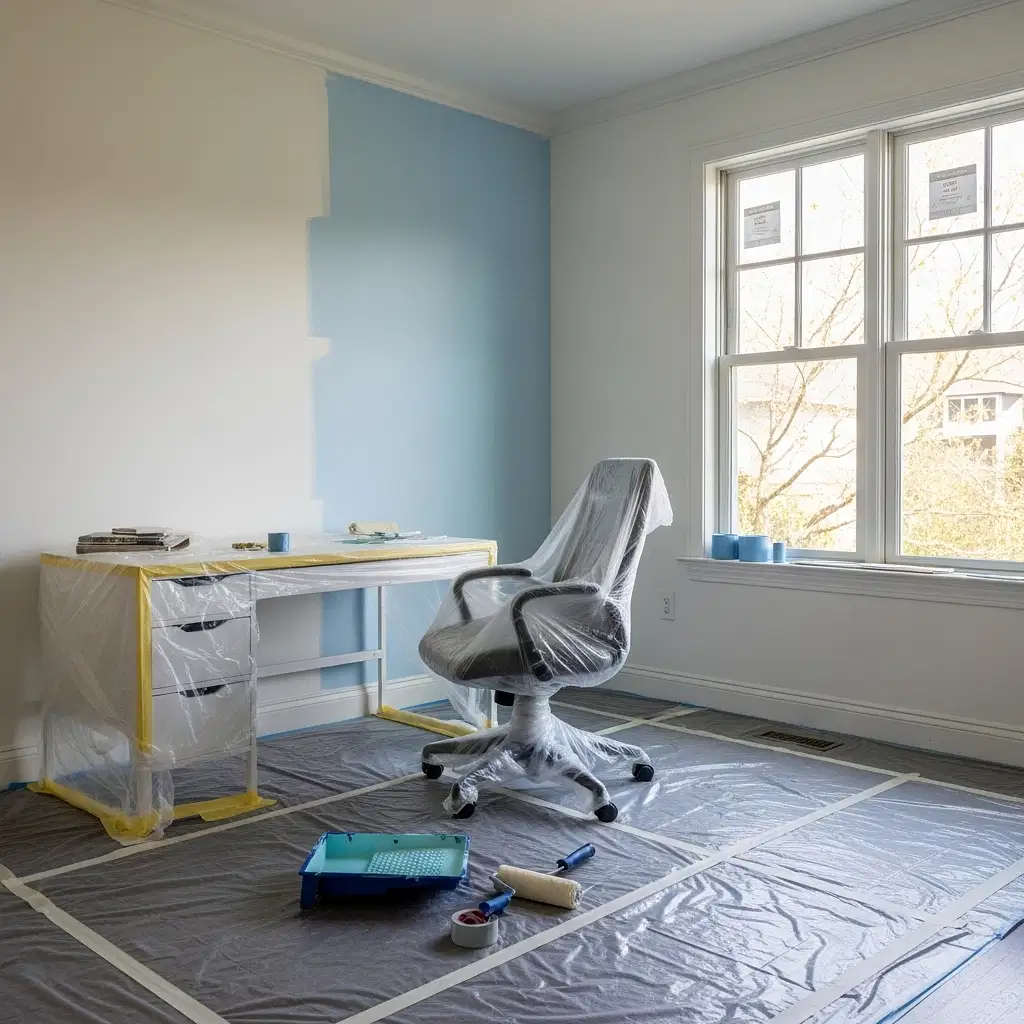
First comes the containment phase. Before a single piece of paint is disturbed, the work area must be completely sealed off. For exterior painting, this means laying down heavy-duty plastic sheeting extending several feet outward from the foundation, securely taped and weighted down. We ensure that no paint chips or contaminated dust can mix with your soil or landscaping—or worse, drift into your neighbor's yard. Any windows or doors within the work zone are sealed with plastic to prevent dust from migrating indoors.
Next is the preparation phase. Instead of dry sanding, certified professionals utilize wet scraping and wet sanding techniques. By lightly misting the surface with water before scraping, we prevent dust from becoming airborne. We also utilize specialized power tools equipped with HEPA (High-Efficiency Particulate Air) vacuum attachments. This ensures that as old paint is removed to create a smooth surface, the hazardous particles are immediately captured.
Once the hazardous material is safely managed and the bare areas are stabilized, the actual surface restoration can begin. Historic wood often requires special care, including repairing wood rot with high-quality epoxies, sealing gaps to prevent moisture intrusion, and applying premium, high-adhesion primers that lock down any remaining secure layers of old paint. Only after this exhaustive preparation do we apply the topcoats. We always recommend high-quality, weather-resistant paints that can withstand the demanding summer humidity and afternoon thunderstorms we frequently experience in the South.
Preserving the Interior: Dust Control and Air Quality
While exterior restorations often come to mind first, updating the interior of a vintage home requires just as much caution. Many original interior components, such as heavy wooden doors, intricate crown molding, and original window sashes, were coated in lead-based enamels. Friction surfaces—like a window rubbing against its frame when opened—are particularly prone to generating lead dust over time.
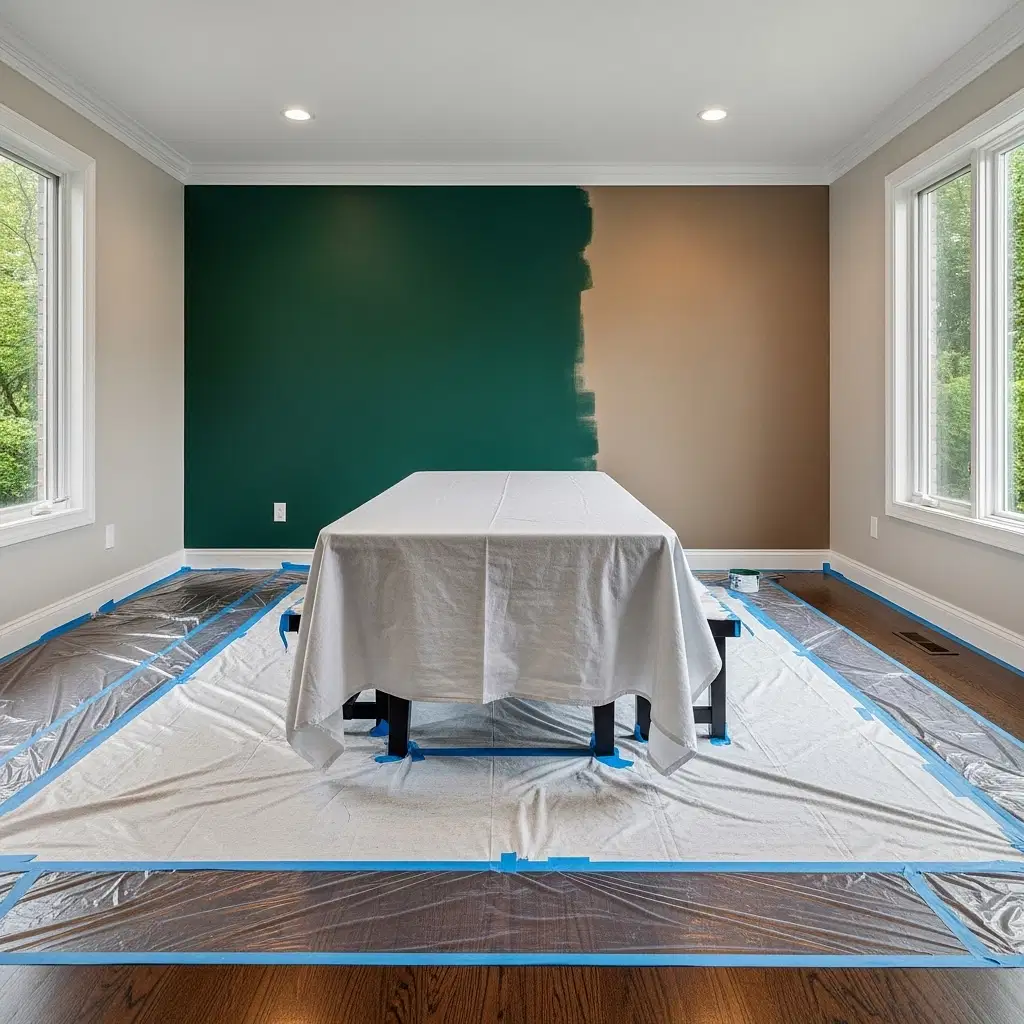
When conducting interior painting in a pre-1978 home, dust control is the top priority. The work area must be isolated from the rest of the house using heavy plastic barriers and zippered doors. Vents and HVAC registers are sealed off to prevent dust from traveling through the home's ductwork.
Beyond just removing the old hazards safely, modern interior painting allows homeowners to make healthier choices for their everyday environment. Once the lead risks are mitigated and safely encapsulated or removed, we strongly advocate for the use of eco-friendly, zero-VOC (Volatile Organic Compounds) and low-odor paint options. These modern formulas provide the vibrant, accurate colors and durable finishes required by discerning homeowners, without compromising indoor air quality. This approach is perfect for health-conscious families who want the aesthetic benefits of a major renovation without the lingering chemical smells or health worries.
Trust Your Historic Home to the Experts
Restoring a historic property is a privilege, but it requires a team that respects both the architecture and the strict safety standards necessary to protect your family. From the initial detailed pricing with no hidden fees to the daily progress updates and the final, meticulous clean-up, transparency and professionalism should be at the forefront of your experience.
Don't let the fear of lead paint keep you from breathing new life into your classic home, and don't risk your health by trusting the job to uninsured bargain contractors. By relying on properly licensed, certified, and insured professionals, you ensure that your home's legacy is preserved beautifully and safely for generations to come.
If you are ready to plan your next residential painting project and want the peace of mind that comes with expert, lead-safe practices, contact Down Home Painting and Restorations LLC today. Let us help you transform your historic Atlanta home with the care, craftsmanship, and safety it truly deserves.